

Why PVC PU Synthetic Leather Becomes Main Raw Material for Basketball
May 08, 2026
In the dynamic world of basketball, the choice of materials for basketballs and related equipment plays a crucial role in performance, durability, and player experience. Among various options, PVC (Polyvinyl Chloride) and PU (Polyurethane) synthetic leather have emerged as the leading raw materials in the basketball industry. Their rising prominence is driven by a perfect blend of functionality, innovation, and sustainability, which together elevate the sport to new heights.
1. Exceptional Durability and Longevity
Basketball is a high-impact sport that demands materials capable of withstanding intense wear and tear. PVC and PU synthetic leather are engineered to offer remarkable resistance to abrasion, moisture, and environmental factors. This durability ensures that basketballs maintain their shape, texture, and performance over extended periods, making them a reliable choice for both indoor and outdoor play. The longevity of these synthetic leathers ultimately benefits players by providing consistent ball feel and performance game after game.
2. Superior Performance and Comfort
The tactile experience of handling a basketball greatly influences a player's control and confidence on the court. PU synthetic leather, in particular, is known for its soft and supple texture that closely mimics natural leather. This quality translates into enhanced grip, better ball control, and improved dribbling – critical elements for players aiming to excel. PVC leather also offers a firm and stable surface conducive to precise handling. Both materials contribute to an optimal balance of comfort and performance, empowering athletes to showcase their skills with precision.
3. Cost-Effectiveness and Accessibility
Compared to traditional natural leather, PVC and PU synthetic leathers offer a more affordable production cost without compromising quality. This cost-effectiveness allows manufacturers to produce high-quality basketballs accessible to a wider audience worldwide. As basketball continues to grow in popularity globally, this accessibility encourages more people to engage with the sport, fostering community, health, and teamwork across diverse demographics.
4. Eco-Friendly Advancements
Modern PVC and PU synthetic leather production incorporates environmentally friendly technologies aimed at reducing emissions and waste. Innovations in material formulation and manufacturing processes help minimize the ecological footprint while maintaining superior product quality. By choosing these synthetic materials, the basketball industry aligns itself with sustainable development goals, contributing positively to environmental stewardship and setting a responsible example for sports manufacturing.
5. Versatility and Design Flexibility
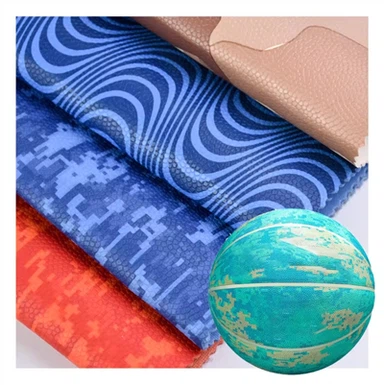
The adaptability of PVC and PU synthetic leathers extends beyond functionality to aesthetic possibilities. Manufacturers can easily mold these materials into various colors, patterns, and textures, enabling customization that resonates with different brands, teams, and player preferences. This versatility not only enhances the visual appeal of basketballs but also strengthens brand identity and fan engagement, enriching the cultural experience surrounding the sport.
Conclusion
The rise of PVC and PU synthetic leather as the main raw materials in the basketball industry is a testament to the fusion of technology, performance, and sustainability. Their unparalleled durability, comfort, affordability, eco-conscious production, and design versatility collectively drive the evolution of basketball equipment. As the sport continues to inspire millions around the world, these synthetic leathers play a foundational role in supporting athletes and fans alike, fostering a vibrant, inclusive, and forward-looking basketball community.