


Why Choose Solamni Insole Board
Solamni provides professional insole board solutions specifically developed for modern footwear manufacturing, serving shoe factories, brands, and material distributors worldwide. With over 15 years of focused experience in synthetic shoe materials, we deeply understand the functional requirements of insole board in different footwear structures, production processes, and market positioning.
By combining stable material formulation, strict quality control, and long-term cooperation with upstream factories, Solamni supports global shoe manufacturers with reliable product performance, consistent technical specifications, and dependable long-term supply capability. Our insole boards are widely recognized by footwear manufacturers for their structural stability, processing adaptability, and cost-effectiveness across casual footwear, sports shoes, safety shoes, and fashion-oriented designs.
Whether applied in mass production lines or customized footwear projects, Solamni insole board helps manufacturers improve production efficiency, reduce material risk, and ensure consistent finished shoe quality throughout the product lifecycle.
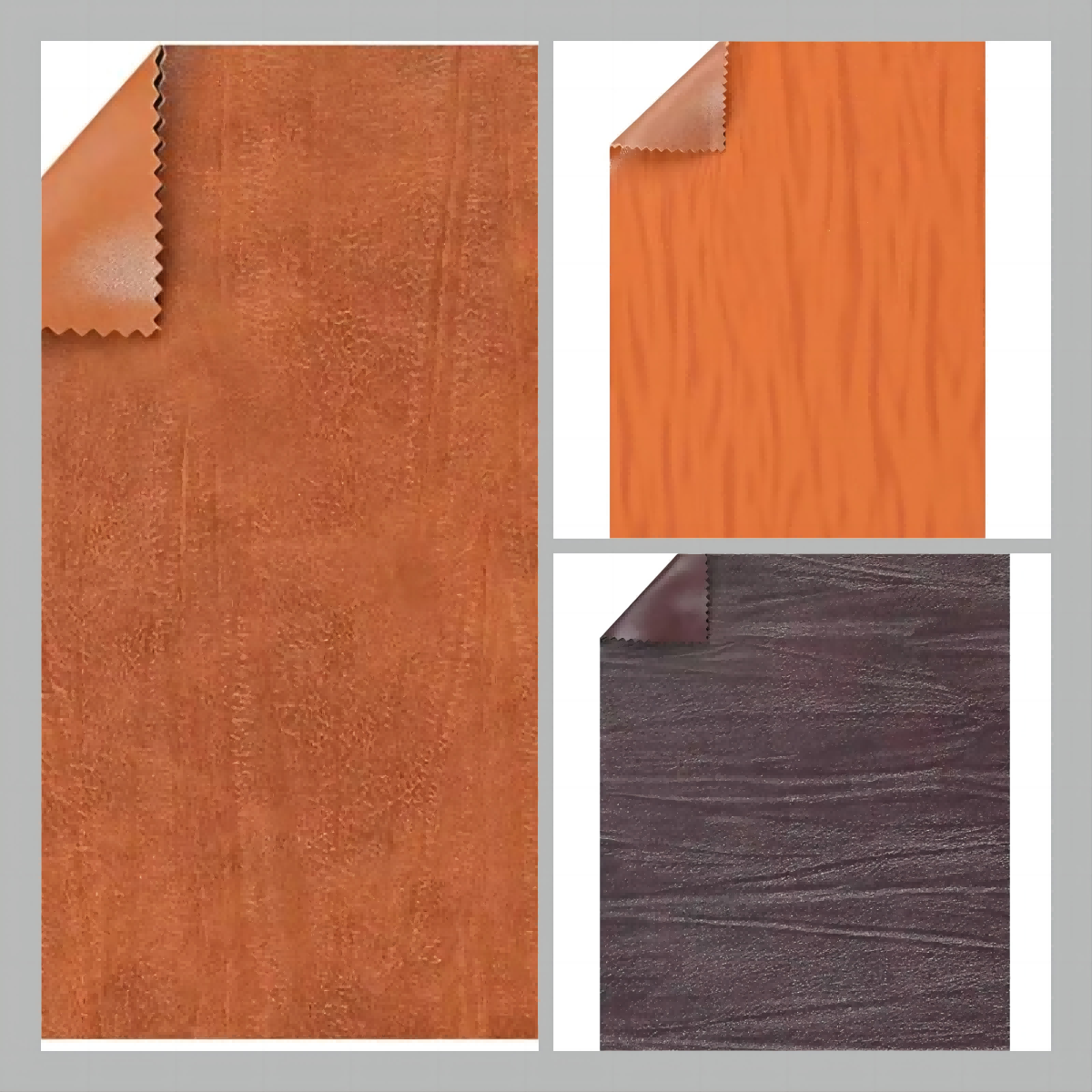
Reliable Insole Board Performance for Footwear Structure
Solamni insole board is engineered to serve as a critical structural layer between the shoe upper and outsole, directly influencing the overall shape retention, stability, and long-term comfort of finished footwear. During daily wear, repeated bending, and continuous load, the insole board must maintain its integrity while cooperating seamlessly with other shoe components. Solamni achieves this through precise material selection and optimized structural design.
By using carefully selected fibers combined with scientifically balanced resin formulations, our insole boards provide a well-controlled structure that delivers sufficient rigidity for lasting and support, while retaining controlled flexibility to prevent cracking or deformation. This balance ensures stable performance during high-frequency bending, long-term storage, and extended wear conditions.
Compared with conventional insole board materials, Solamni products offer highly consistent thickness, excellent dimensional stability, and strong nail-holding strength, all of which are essential for efficient shoe lasting, stitching, and assembly operations. In addition, our insole boards demonstrate reliable bonding performance with various adhesives, making them compatible with cemented, molded, and hybrid footwear constructions.
These material advantages allow Solamni insole board to be widely applied in casual shoes, sports footwear, safety shoes, work boots, and fashion shoes, meeting diverse structural, durability, and comfort requirements across different footwear categories and market segments.
Stable Supply Chain & Consistent Quality Control
With more than 15 years of continuous focus on synthetic materials for footwear, Solamni has built a mature and reliable supply network by maintaining long-term partnerships with qualified raw material suppliers and experienced production facilities across China. This multi-factory collaboration model allows us to balance production capacity, technical specialization, and cost control while ensuring stable quality output.
From initial fiber selection and resin proportioning to calendering, cutting, conditioning, and final inspection, every production stage follows standardized quality management procedures. Key performance indicators such as thickness tolerance, density stability, bonding performance, and mechanical strength are strictly controlled to ensure batch-to-batch consistency.
This well-developed supply chain system enables Solamni to provide stable production capacity, flexible specification options, and reliable delivery schedules for global customers. Whether supporting large-scale OEM shoe factories, emerging footwear brands, or regional material distributors, Solamni insole board represents not only dependable material quality, but also a sustainable, scalable, and long-term supply solution that supports stable production planning and business growth.

-
![Nonwoven Waterproof Fiber Insole Board High Density Shoe Insole Board Material]()
-
![Factory Custom Strip Nonwoven & Paper Insole Board For Men Sneaker Shoe Making]()
-
![Wholesale Shoes Making Raw Materials Fiber Insole Paper Board Insole Sheet]()
-
![Factory Directly Selling Pure Nonwoven Fabric Insole Board Stripe Insole Board With EVA For Shoe Insole Material]()
-
![New Shoe Strobel Insole Material Twin-needle Stitch Bond Insole For Sports Shoes]()
-
![2.0mm Thickness Shoe Making Heat Adhesive Thermoplastic Sheets For Back Counter]()
-
![Top Quality Good Toughness 1.0-3.0mm Thickness Shoe Paper Shank Insole Board]()
-
![2024 Custom Gangbao Nonwoven Strong Material For Shoes Toe Puff in Low Temperature]()
-
![Pvc Viny SPONGE Flooring / Pvc Waterproof Laminate Flooring]()
Pvc Viny SPONGE Flooring / Pvc Waterproof Laminate Flooring
Add to Inquiry -
![Nonwoven PP Woven Spunched Bonded Fabric For Shoe And Bag Material And AgricultureBag]()
-
![High-Quality Carton Nonwoven Insole Board For Shoe Manufacturing]()
-
![Good Hardness Zebra Nonwoven Fiber Stripe Insole Board Strobel Shoe Insole]()

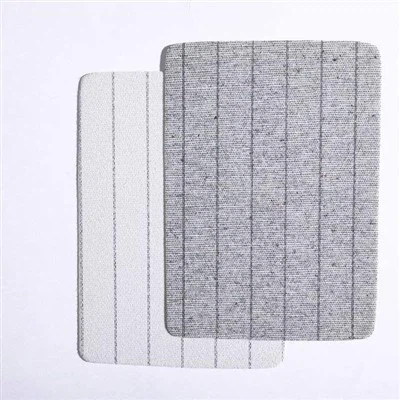


How Insole Board Works in Footwear Structure
The working principle of insole board is based on providing structural support, shape retention, load distribution, and bonding stability within footwear construction. As a key internal component between the shoe upper and outsole, insole board plays a vital role in maintaining shoe integrity, durability, and long-term wearing comfort across various footwear categories.

Structural Support And Shape Retention:
In footwear manufacturing, insole board functions as the foundational support layer that connects the upper with the outsole. During the lasting process, it provides sufficient rigidity to hold the shoe shape firmly, ensuring dimensional stability and accurate fitting. High-quality insole board prevents deformation during assembly and helps maintain the intended shoe silhouette after repeated wear.
Solamni insole board is produced using selected fibers and optimized resin systems, allowing it to achieve a balanced structure with controlled stiffness and flexibility. This balance ensures the board can withstand repeated bending, pressure, and long-term load without cracking, collapsing, or losing shape.
Load Distribution And Wearing Comfort:
Insole board helps evenly distribute body weight across the sole structure, reducing localized pressure points and improving overall wearing comfort. By supporting the footbed and cooperating with cushioning layers, it enhances walking stability and reduces fatigue during prolonged use, especially in daily wear, work shoes, and safety footwear.
Bonding Performance And Manufacturing Efficiency:
A reliable insole board must provide strong bonding compatibility with adhesives and outsole materials. Solamni insole board offers consistent surface characteristics and nail-holding strength, ensuring stable bonding during cementing, molding, and stitching processes. This improves production efficiency, reduces defect rates, and ensures consistent finished shoe quality.
Understanding how insole board works within footwear structure helps shoe manufacturers select the right material specifications for different shoe types. Solamni insole board is engineered to deliver dependable structural performance, processing stability, and long-term durability for modern footwear manufacturing.
Insole Board Types
We manufacture and supply a comprehensive range of insole board materials developed specifically for global footwear manufacturers, OEM factories, and material distributors. Our insole boards are engineered to provide reliable structural support, consistent quality, and stable performance across different shoe constructions. With flexible customization options in thickness, density, stiffness, and sheet size, our solutions are suitable for mass production footwear as well as customized shoe projects.
Paper Insole Board
Paper insole board is produced from carefully selected high-quality cellulose fibers through advanced pulping, compression, and high-temperature drying processes. This structure creates a rigid yet workable material that offers excellent shape retention and dimensional stability during shoe assembly. It is widely applied in casual footwear, dress shoes, school shoes, and classic shoe constructions where structural support and cost control are key considerations.
The uniform fiber distribution ensures smooth cutting edges, stable thickness tolerance, and predictable forming performance, which helps reduce material waste and improve production efficiency on automated shoe-making lines.
Stable & Cost-Effective
Paper insole board provides a cost-efficient solution for high-volume footwear production while maintaining consistent mechanical performance. It supports easy die-cutting, strong adhesion with upper materials, and reliable bonding with shoe soles and midsoles.
This material is ideal for manufacturers seeking a balance between affordability, structural reliability, and stable supply, making it a long-term solution for standardized footwear programs.
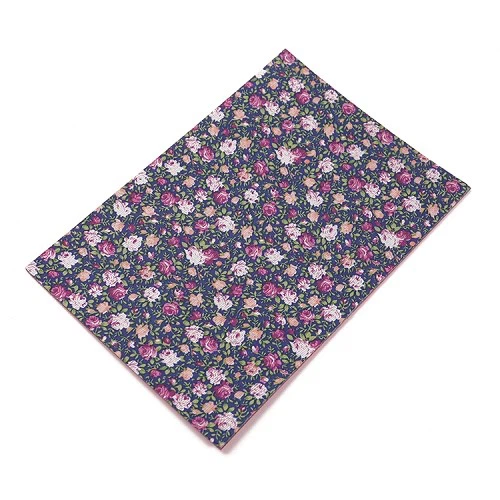

Nonwoven Insole Board
Nonwoven insole board is manufactured using high-performance synthetic fibers combined with modern nonwoven bonding technology. Compared with traditional paper-based materials, it offers enhanced flexibility, superior tear resistance, and improved moisture stability under complex wearing conditions.
This material maintains its structural integrity during repeated bending and long-term wear, making it suitable for footwear that requires higher durability and comfort performance.
Durable & Customizable
Nonwoven insole board supports a wide range of customization options, including density control, thickness adjustment, stiffness tuning, and surface treatment. These parameters can be optimized according to different shoe designs, production processes, and target markets.
It is widely used in sports shoes, safety footwear, work boots, and functional shoes where long-term comfort, strength, and moisture resistance are critical.
Manufacturing Process Of Insole Board For Footwear
A well-controlled manufacturing process is critical to ensure the structural strength, dimensional stability, and long-term performance of insole boards used in footwear production.
Raw Material Selection
High-quality fibers, resins, or cellulose-based materials are carefully selected according to footwear type and performance requirements. Proper material selection determines the insole board’s rigidity, flexibility, moisture resistance, and bonding compatibility.
Fiber Forming and Layering
Fibers are evenly distributed and layered to create a uniform structure. Controlled layering ensures consistent thickness, balanced density, and stable mechanical performance across the entire insole board surface.
Impregnation and Bonding
Resins or binding agents are applied to reinforce the fiber structure. This process enhances stiffness, dimensional stability, and resistance to deformation during lasting, cementing, and long-term wear.
Pressing and Curing
The impregnated layers are pressed under controlled temperature and pressure to achieve the required hardness and thickness. Proper curing ensures consistent strength and prevents warping or delamination.
Cutting and Dimension Control
Finished insole boards are cut into sheets or rolls with precise dimensional tolerances. Accurate sizing improves processing efficiency and ensures smooth integration into various footwear manufacturing lines.
Quality Inspection and Testing
Each batch undergoes mechanical strength, flex resistance, moisture absorption, and bonding performance tests. Strict quality control guarantees reliable support and durability in finished footwear products.
Key Factors to Consider When Purchasing Insole Board
-
Material Composition: Insole board can be made from cellulose fiber, non-woven fabric, resin-impregnated materials, or composite structures. Material selection directly affects stiffness, durability, and long-term support.
-
Thickness & Density: Different footwear types require specific thickness and density levels. Higher density insole boards provide stronger support for work shoes and boots, while lighter boards suit casual and athletic footwear.
-
Flexibility & Bend Resistance: Proper flexibility ensures comfort during walking, while strong bend resistance prevents cracking or deformation after repeated flexing during daily wear.
-
Moisture & Sweat Resistance: High-quality insole board should resist moisture absorption, maintain dimensional stability, and prevent softening or delamination in humid conditions.
-
Compatibility with Shoe Construction: Insole boards must be compatible with cemented, stitched, or injection-molded shoe manufacturing processes to ensure stable bonding and long-term performance.
-
Application-Specific Performance: Safety shoes, leather shoes, casual shoes, and boots all require different support levels, impacting insole board hardness, structure, and reinforcement design.
-
Supplier Quality & Supply Stability: A reliable insole board manufacturer ensures consistent material quality, batch stability, and on-time delivery for large-scale footwear production.

Insole Board Warehouse & Factory Scale
Our integrated manufacturing base and large-capacity warehouse provide strong support for stable production, efficient inventory management, and reliable global supply of insole board materials.
Standardized Manufacturing Workshops
Our insole board factory is equipped with standardized production workshops covering raw material preparation, sheet forming, cutting, drying, and finishing processes, ensuring consistent quality and efficient output across all product specifications.
Scalable Production Capacity
With multiple production lines and skilled technical staff, our factory supports flexible scaling from small trial orders to large-volume manufacturing, meeting the long-term supply needs of footwear brands and OEM partners.

Large-Capacity Warehouse & Inventory Control
Our warehouse maintains sufficient stock of paper insole board and nonwoven insole board in various thicknesses and densities, enabling fast order fulfillment, reduced lead times, and flexible shipping arrangements.
Stable Supply for Global Footwear Markets
This factory-and-warehouse integration ensures consistent product availability and delivery reliability, supporting long-term cooperation with footwear manufacturers, material traders, and international buyers worldwide.
Contact Insole Board Manufacturer
We manufacture and supply high-quality insole boards for footwear factories, shoe material distributors, and OEM brands. Our products are designed to provide structural support, dimensional stability, and long-lasting performance in shoe production.
Location Detail
No.4-6, Cuiyuan 3rd Road, Feicui Park,
Donghai Street, Fengze District, Quanzhou, China
Phone & WhatsApp
Phone / WhatsApp: +86 134 5957 6651
Fast response for samples, specifications, and quotations.
Email Contact
ace02@eurus-cn.com
Send your insole board requirements including thickness, material type, hardness, and application.
Our insole boards are suitable for casual shoes, safety shoes, leather footwear, and industrial shoe manufacturing. Stable supply, consistent quality, and factory-direct pricing support long-term cooperation.

Everything You Need to Know About Insole Board
This FAQ section covers the most common technical, application, and purchasing questions about insole board materials used in footwear manufacturing.
What is insole board?
Insole board is a structural footwear material used between the outsole and insole to provide support, shape stability, and load distribution.
What types of insole board are available?
Common types include paper insole board and nonwoven insole board, each designed for different footwear structures and performance needs.
What is paper insole board?
Paper insole board is made from compressed cellulose fibers, offering good rigidity and cost efficiency for traditional footwear.
What is nonwoven insole board?
Nonwoven insole board is made from synthetic fibers, providing higher flexibility, moisture resistance, and durability.
What thickness options are available?
Insole boards are typically available in thicknesses ranging from 0.8mm to over 3.0mm depending on shoe design.
Which shoes commonly use insole board?
Insole board is widely used in leather shoes, casual shoes, safety shoes, boots, and industrial footwear.
What role does insole board play in footwear?
It provides structural reinforcement, maintains shoe shape, and improves load-bearing stability.
Is insole board flexible or rigid?
Flexibility depends on material type and thickness, allowing manufacturers to balance comfort and support.
Does insole board affect shoe comfort?
Yes. Proper insole board selection improves overall foot stability and long-term wearing comfort.
Is insole board waterproof?
Nonwoven insole boards offer better moisture resistance, while paper boards may require surface treatment.
Can insole board be die-cut?
Yes. Insole boards are suitable for die cutting, CNC cutting, and automated shoe production lines.
Is customization available?
Thickness, density, sheet size, and hardness can be customized based on customer requirements.
What sizes are supplied?
Standard sheets and custom-cut sizes are available for different footwear production processes.
Is insole board suitable for safety shoes?
Yes. High-density insole boards are commonly used in safety and industrial footwear.
How does density affect performance?
Higher density improves strength and durability, while lower density enhances flexibility.
Is insole board environmentally friendly?
Paper insole boards are fiber-based, while nonwoven boards can be designed to meet environmental standards.
Can insole board be used with cemented construction?
Yes. It is compatible with cemented, stitched, and combination shoe constructions.
What is the typical application temperature?
Insole board maintains structural stability under normal footwear production temperatures.
Are samples available?
Yes. Samples can be provided for testing and evaluation before bulk orders.
What information is needed for a quotation?
Material type, thickness, size, quantity, and application help provide accurate pricing.
What is the typical lead time?
Lead time depends on order quantity and customization, usually ranging from 2–4 weeks.
How is insole board packaged?
Products are packed in sheets or rolls with protective wrapping for transportation.
Is OEM service supported?
Yes. OEM and ODM services are available for footwear brands and factories.
Can insole board be branded?
Private labeling and customized marking can be arranged for bulk orders.
Does insole board affect outsole bonding?
Proper surface treatment ensures strong adhesion with common shoe sole materials.
Is insole board suitable for automated production?
Yes. It is compatible with modern automated shoe manufacturing systems.
How should insole board be stored?
Store in a dry, ventilated environment away from moisture and direct sunlight.
Is technical support provided?
Yes. Technical guidance is available for material selection and application.
Can long-term supply be guaranteed?
Stable production capacity supports long-term cooperation and consistent supply.
Why choose a professional insole board manufacturer?
Professional manufacturers ensure material consistency, customization capability, quality control, and reliable delivery.
As one of the most professional insole board manufacturers and suppliers in China, we're featured by quality products and good service. Please rest assured to buy high-grade insole board at competitive price from our factory.
