


Color Consistency in Large-Batch Synthetic Leather Sourcing
Nov 13, 2026

One-Stop Shoe Material Factory In China
Send your inquiry about shoe materials to Solamni and experience the transformative power it can have on your business or brand. With our premium material solutions-from high-performance outsoles to breathable uppers-you can elevate your footwear collections, captivate your target audience, and unlock new opportunities for growth and success in the competitive footwear industry.

Meta Description
Control batch color variation in synthetic leather with Delta E testing, spectrophotometers, and D65/TL84 lighting approvals.
Color Consistency in Large-Batch Synthetic Leather Sourcing
Color consistency is a critical quality requirement when sourcing synthetic leather in large quantities. Even small shade differences between production lots can create visible mismatches in finished shoes, upholstery, and accessories. Buyers should establish measurable color tolerances, standardized lighting conditions, and repeatable batch inspection procedures before mass production.
1. The Multi-Lot Color Deviation Challenge (Delta E < 0.8)
Large-volume orders may involve multiple production batches. Differences in pigment dispersion, resin formulation, coating thickness, substrate color, and finishing conditions can cause shade variation.
Delta E (ΔE) measures the numerical difference between two colors. A target below 0.8 can be used as a strict project-specific acceptance criterion, but the result depends on the color measurement system, instrument settings, and agreed reference sample.

| Quality factor | Potential cause | Recommended control |
|---|---|---|
| Pigment variation | Different pigment batches | Approved pigment references |
| Resin variation | Formulation or supplier changes | Controlled resin specifications |
| Coating thickness | Uneven coating application | Process monitoring |
| Surface finish | Embossing or finishing differences | Standardized production parameters |
| Substrate variation | Different backing shades | Incoming material inspection |
Buyers should define whether ΔE applies to the master sample, an approved production standard, or the previous accepted lot. The measurement method and tolerance should be agreed before production.
2. Automated Spectrophotometer Batch Verifications
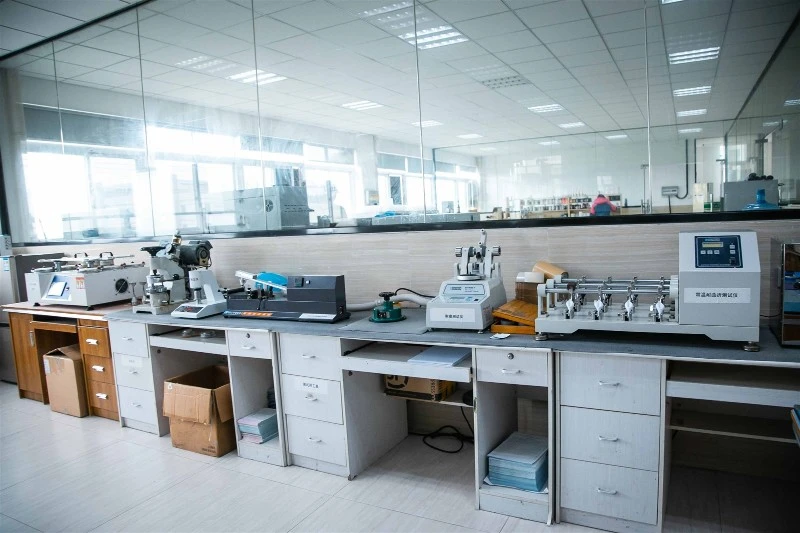
A spectrophotometer provides objective color measurements and reduces reliance on visual judgment alone.
For bulk synthetic leather orders, manufacturers can compare production samples against an approved color standard and record the results by batch or roll number.
Key inspection points include:
- Reference sample control: Maintain an approved master standard.
- Instrument consistency: Use the same measurement geometry, illuminant, observer settings, and measurement conditions.
- Multiple-point testing: Measure several positions across the material to identify uneven coloration.
- Batch traceability: Record color values alongside production lot and roll identification.
- Deviation management: Recheck out-of-tolerance samples before release.
Automated measurement improves repeatability, but it does not replace visual inspection. Surface texture, gloss, and embossing can influence the perceived appearance of synthetic leather.

3. Standard D65 and TL84 Lighting Booth Approvals
| ight source | Typical purpose | Inspection focus |
|---|---|---|
| D65 | Standard daylight simulation | General color appearance |
| TL84 | Store or commercial lighting simulation | Retail lighting consistency |
For footwear and upholstery projects, buyers should compare the approved master sample and production samples under both lighting conditions when specified.
A practical approval workflow includes:
- Place the master and production samples side by side.
- Inspect under D65 illumination.
- Repeat the comparison under TL84 illumination.
- Record visible shade differences.
- Approve or reject according to the agreed color standard.
Lighting booth conditions, sample orientation, and viewing procedures should remain consistent throughout inspection.
4. Managing Resin Pigment Dispersion Uniformity
Consistent color starts with controlled formulation and production.
Poor pigment dispersion can create streaks, spots, uneven shades, or color differences across a roll. Variations in resin composition and coating conditions may also affect the final appearance.
Important process controls include:
- Pigment weighing: Follow approved formulation ratios.
- Dispersion control: Maintain suitable mixing conditions for the specific pigment and resin system.
- Raw material consistency: Monitor pigment and resin batches.
- Coating uniformity: Control coating thickness and application conditions.
- Production records: Retain formulation and process records for each batch.
For custom colors, buyers should approve a physical lab dip or production sample before bulk manufacturing. Any changes to pigment, resin, backing, or finishing should trigger an appropriate color revalidation.
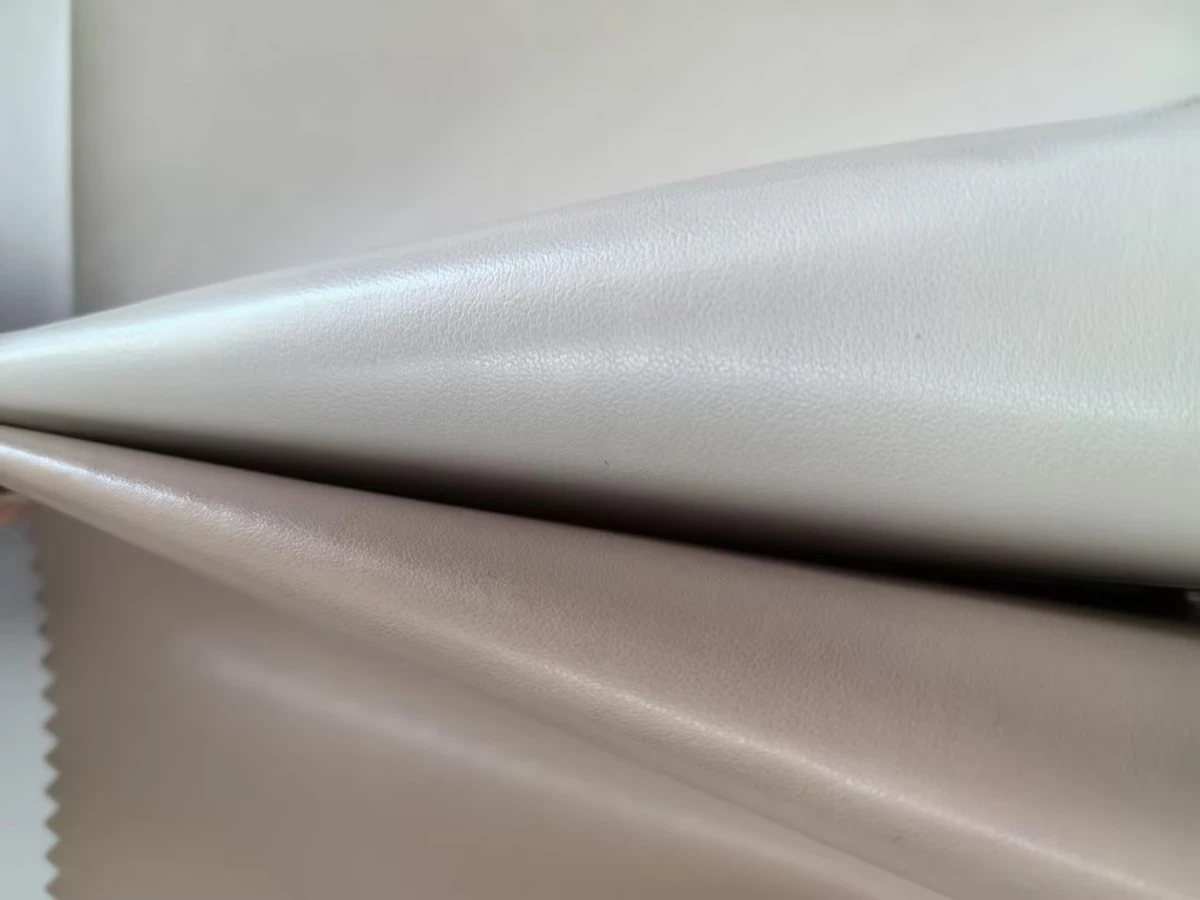
5. Solamni Color Match and Batch Quality Control
For bulk synthetic leather sourcing, color approval should be treated as part of the overall quality-control process-not simply a final visual check.
Solamni New Material supports B2B buyers in defining material requirements and coordinating color approval for synthetic leather projects. A practical sourcing specification should include:
| Requirement | Information to confirm |
|---|---|
| Color reference | Physical master sample or approved color code |
| ΔE tolerance | Agreed numerical acceptance limit |
| Measurement method | Instrument settings and measurement conditions |
| Lighting approval | D65, TL84, or other specified sources |
| Batch traceability | Lot and roll identification |
| Approval procedure | Sample submission and written acceptance |
| Deviation handling | Reinspection and corrective-action process |
💡 Sourcing Tip for Bulk Buyers
f a q

Q1: What is an acceptable Delta E value for synthetic leather?
A1:ΔE below 0.8 is a strict project-specific target. The acceptable tolerance should be agreed according to the product, color, measurement method, and buyer requirements.
Q2: Why should synthetic leather be checked under both D65 and TL84 lighting?
A2:Different light sources can reveal metamerism. Checking under both conditions helps identify color mismatches that may not be visible under a single light source.
Q3: Why should synthetic leather be checked under both D65 and TL84 lighting?
One-stop shoe material Factory in China
Require immediate engineering consultation or custom specification development for upcoming footwear material programs? Contact our technical sales engineering team directly at ace01@eurus-cn.com or call +86 13459576329 for 24/7 technical support, physical swatchbooks, and direct factory quotation matrices.


