


Technical Sourcing Guide for TPU Waterproof Film in Footwear
Aug 24, 2026

One-Stop Shoe Material Factory In China
Send your inquiry about shoe materials to Solamni and experience the transformative power it can have on your business or brand. With our premium material solutions-from high-performance outsoles to breathable uppers-you can elevate your footwear collections, captivate your target audience, and unlock new opportunities for growth and success in the competitive footwear industry.

Meta Description
Footwear‑grade TPU waterproof film delivers continuous water‑blocking performance while retaining elastic deformation under repeated flex. Incorrect material grade or lamination parameter settings are responsible for 68% of in‑field shoe waterproof failure returns according to internal Solamni production failure statistics. This guide lists measurable physical thresholds, processing comparisons, delamination root causes and factory‑level test protocols for bulk footwear buyers.
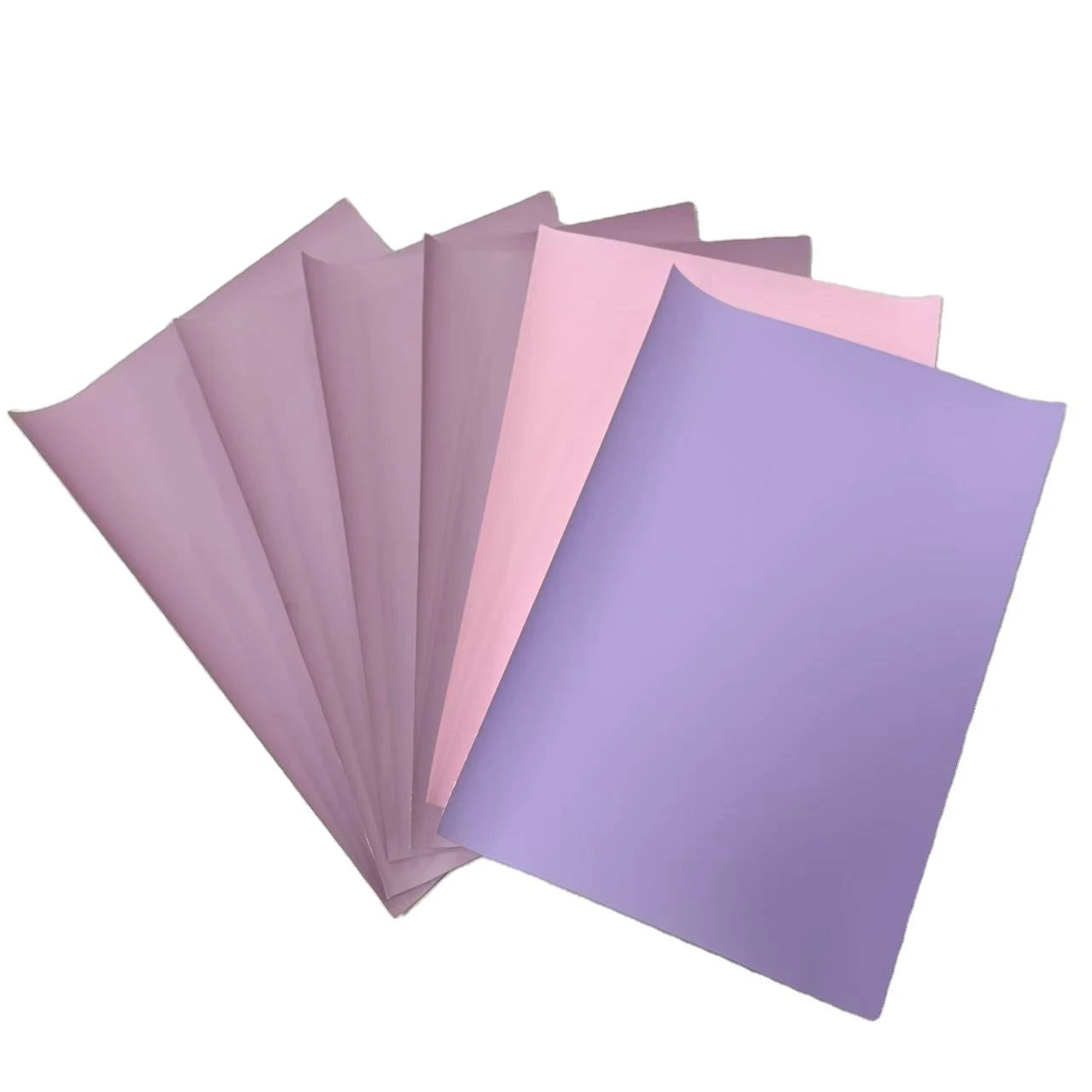
Physical Properties: Hydrolysis & Elongation
Footwear TPU film must balance elongation for shoe upper flex cycles and hydrolysis resistance for long‑term wet‑environment service. Material lot variation directly drives finished‑product reject rates.
| Testing Item | Footwear‑Grade TPU Film (Solamni) | General‑Grade TPU Film | Test Standard |
|---|---|---|---|
| Elongation at Break | ≥650 % | 350‑480 % | ISO 527‑3 |
| Tensile Strength | ≥32 MPa | 18‑24 MPa | ISO 527‑3 |
| Hydrolysis Aging (70 °C, 95 % RH) | ≥12 weeks, no blister / brittleness | 3‑5 weeks, surface brittleness | ISO 1419‑C |
| Water Entry Pressure | ≥8000 mm H₂O | 3000‑5000 mm H₂O | ISO 811 |
| Low‑temp Flex (-20 °C) | 50 000 cycles no crack | 12 000 cycles surface crack | ISO 7854 |
| Thickness tolerance | ±0.02 mm | ±0.05 mm | ASTM D6988 |
【💡 Sourcing Tip for Bulk Buyers】Request full batch test reports before mass order confirmation. Access full material specifications on our TPU film product page. Submit inquiry to receive free TPU film swatch set for in‑house lab validation.
Two mainstream assembly methods apply for bonding TPU waterproof film to shoe upper fabric. Wrong process‑material matching creates hidden quality risks, even if raw film meets lab specs.
High‑Frequency (HF) Welding
Suitable thickness range: 0.08 mm‑0.20 mm polyester‑based TPU film
Working parameter window: 27‑38 MHz, pressure 0.3‑0.5 MPa, dwell time 1.2‑2.5 s
Advantages: No adhesive required; bond joint resists repeated shoe bending cycles
Limitation: Polyether‑based TPU shows poor dielectric response; unstable weld seam strength; not recommended for HF process
Heat Lamination
Suitable thickness range: 0.05 mm‑0.15 mm polyether‑based TPU film
Working parameter window: roll temperature 115‑135 °C, line speed 4‑8 m/min, roller pressure 0.4‑0.6 MPa
Advantages: Compatible with most woven / knit shoe upper substrates; large‑line continuous production
Limitation: Temperature deviation > ±8 °C causes film melting or incomplete bonding; adhesive formula must match TPU substrate polarity
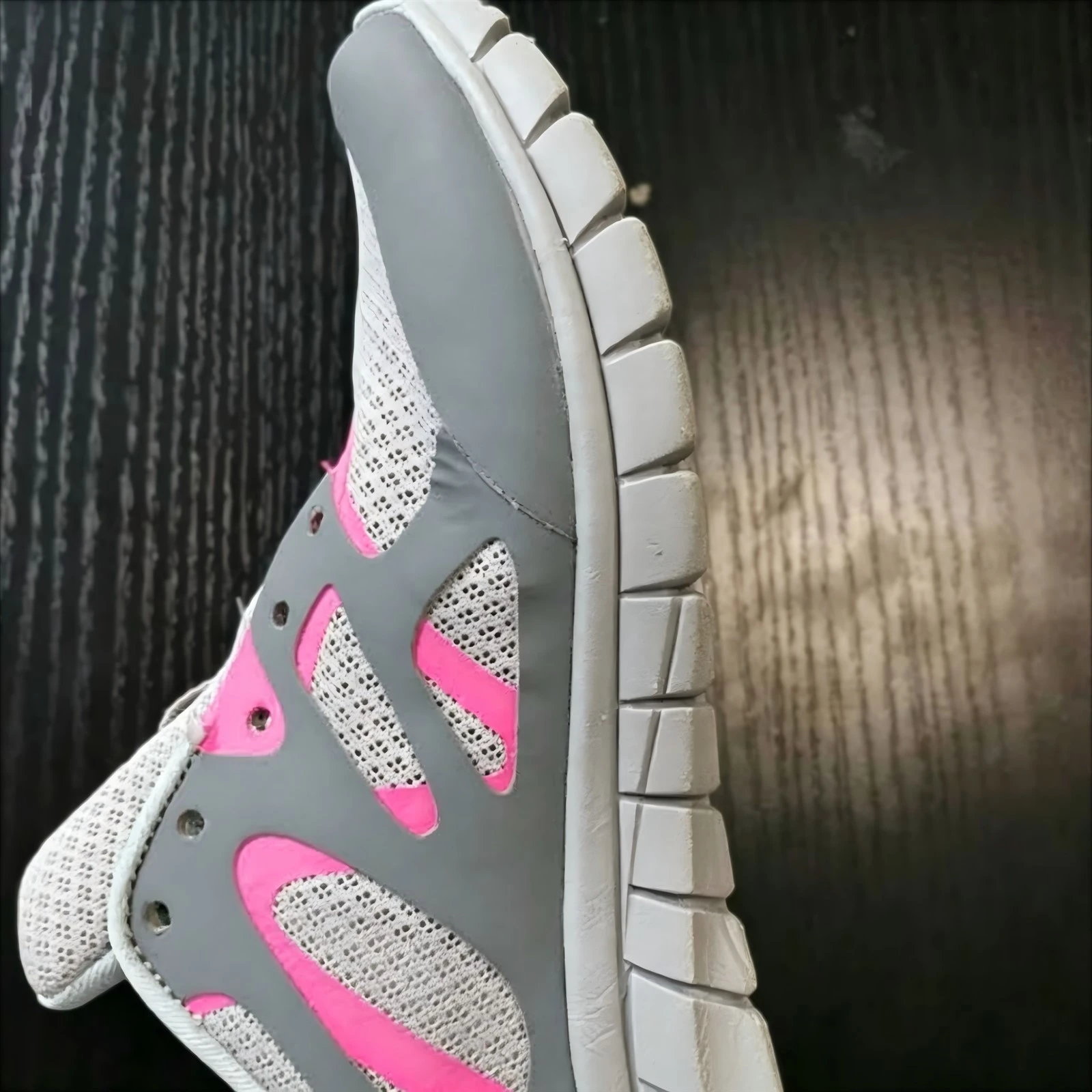
| Process | Preferred TPU Base | Main Failure Mode |
|---|---|---|
| High‑Frequency Welding | Polyester TPU | Cold weld seam → seam peel under flex |
| Heat Lamination | Polyether TPU | Over‑heating → film perforation; under‑heating → weak lamination |
Solamni executes the below test suite for every production batch before shipment. Third‑party SGS witness testing is available for large‑volume brand orders.
Batch physical test: tensile strength, elongation at break, thickness per ISO 527‑3, ASTM D6988
Accelerated hydrolysis aging: ISO 1419‑C (70 °C,95% RH)
Hydrostatic waterproof pressure: ISO 811
Dynamic flex resistance at ‑20 °C: ISO 7854, minimum 50 000 cycles
Dyne surface energy test for every roll: target 42‑46 mN/m
Simulated lamination peel test: peel strength ≥4.5 N/25 mm after heat‑aging 7 days at 60 °C
Rejection trigger: Any single index out of specification will hold batch shipment, no exception for rush orders.

【Factory Assistance】If your in‑house team faces recurring delamination issues, our engineering team can review your lamination / HF‑welding parameter sheets. Review our quality‑control workflow to understand pre‑shipment roll inspection items. Contact us to arrange technical support call.
Solamni executes the below test suite for every production batch before shipment. Third‑party SGS witness testing is available for large‑volume brand orders.
- Batch physical test: tensile strength, elongation at break, thickness per ISO 527‑3, ASTM D6988
- Accelerated hydrolysis aging: ISO 1419‑C (70 °C,95% RH)
- Hydrostatic waterproof pressure: ISO 811
- Dynamic flex resistance at ‑20 °C: ISO 7854, minimum 50 000 cycles
- Dyne surface energy test for every roll: target 42‑46 mN/m
- Simulated lamination peel test: peel strength ≥4.5 N/25 mm after heat‑aging 7 days at 60 °C
- Rejection trigger: Any single index out of specification will hold batch shipment, no exception for rush orders.

f a q

Q1: What is the MOQ for custom thickness footwear‑grade TPU waterproof film?
Q2:How long is the lead‑time for custom formulated TPU film for shoe waterproof liners?
Q3: Can you provide SGS test reports for each TPU film production batch?
One-stop shoe material Factory in China
Require immediate engineering consultation or custom specification development for upcoming footwear material programs? Contact our technical sales engineering team directly at ace01@eurus-cn.com or call +86 13459576329 for 24/7 technical support, physical swatchbooks, and direct factory quotation matrices.


