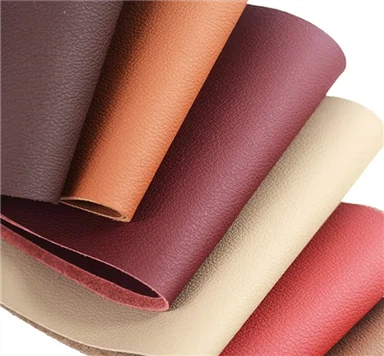


Key Quality Control Points for Metallic Crocodile PU Leather
Apr 20, 2026
The metallic crocodile PU leather industry is an exciting and rapidly evolving field that blends innovative materials technology with high-end fashion aesthetics. This unique material offers the luxurious appearance of exotic leather with the benefits of synthetic durability and sustainability. To ensure excellent product performance and customer satisfaction, implementing effective quality control measures is essential. Below are some key quality control points that contribute to the consistent production of top-quality metallic crocodile PU leather.
1. Raw Material Selection
The foundation of superior metallic crocodile PU leather starts with selecting high-grade polyurethane (PU) base materials and appropriate metallic pigments. Quality raw materials ensure good flexibility, durability, and aesthetic appeal. Suppliers should be carefully evaluated based on their ability to provide materials with consistent thickness, pigment dispersion, and chemical stability.
2. Surface Texture and Pattern Accuracy
The distinctive crocodile embossing is a hallmark of this leather type. Quality control must ensure the embossing molds are precise, creating sharp and uniform patterns that mimic the natural texture of crocodile skin. Regular inspection during production helps maintain pattern depth and clarity, which are crucial for the material's premium look and feel.
3. Metallic Finish Consistency
Achieving an even, vibrant metallic finish requires careful application and curing of metallic coatings. Quality checks focus on uniform color distribution, absence of blotches or streaks, and the durability of the metallic layer against abrasion and wear. Advanced color measurement tools can be utilized to maintain consistent metallic hues throughout production batches.
4. Physical Properties Testing
Rigorous mechanical testing ensures that the metallic crocodile PU leather withstands everyday use. Key tests include tensile strength, elongation, tear resistance, and flexibility. These parameters guarantee that the material maintains its integrity and flexibility while providing the desired aesthetic appeal.
5. Environmental and Chemical Resistance
Since metallic PU leather is often used in fashion accessories and upholstery, its resistance to environmental factors like UV light, moisture, and temperature variations is critical. Quality control protocols should include accelerated aging tests and chemical resistance assessments to confirm the material's long-lasting appearance and performance.
6. Adhesion and Layer Bonding
The PU leather's multi-layer structure requires strong adhesion between layers to prevent delamination or peeling. Quality inspections involve peel tests and microscopic examination to verify the bonding strength and uniformity of the composite layers.
7. Surface Treatment and Finishing
Final surface treatments, such as protective coatings or sealants, enhance the durability and aesthetic properties of metallic crocodile PU leather. Quality control ensures these treatments are applied evenly and cured properly, adding scratch resistance and maintaining the material's vibrant metallic sheen.
8. Packaging and Handling
Careful packaging preserves the quality of the metallic crocodile PU leather during transportation and storage. Protective wrapping, climate-controlled handling, and proper storage conditions help prevent surface damage, contamination, or deformation before the product reaches customers.
Conclusion
Maintaining high standards in the production of metallic crocodile PU leather is key to delivering premium products that meet market expectations. By focusing on raw materials, embossing accuracy, metallic finish consistency, physical robustness, and effective surface treatments, manufacturers can ensure a durable, attractive, and environmentally conscious offering for diverse applications. This commitment to quality control not only supports brand reputation but also drives innovation and customer satisfaction in this vibrant industry.