


Custom Lamination Services: Bonding TPU Films with Mesh and Non-Woven Fabrics
Oct 21, 2026

One-Stop Shoe Material Factory In China
Send your inquiry about shoe materials to Solamni and experience the transformative power it can have on your business or brand. With our premium material solutions-from high-performance outsoles to breathable uppers-you can elevate your footwear collections, captivate your target audience, and unlock new opportunities for growth and success in the competitive footwear industry.

Meta Description
Source custom TPU laminated mesh and non-woven fabrics. Compare bonding methods, peel strength testing, air permeability, and production lead times.
Custom Lamination Services: Bonding TPU Films with Mesh and Non-Woven Fabrics
1. Multi-Layer Lamination: Hot Melt Adhesive and Flame Bonding
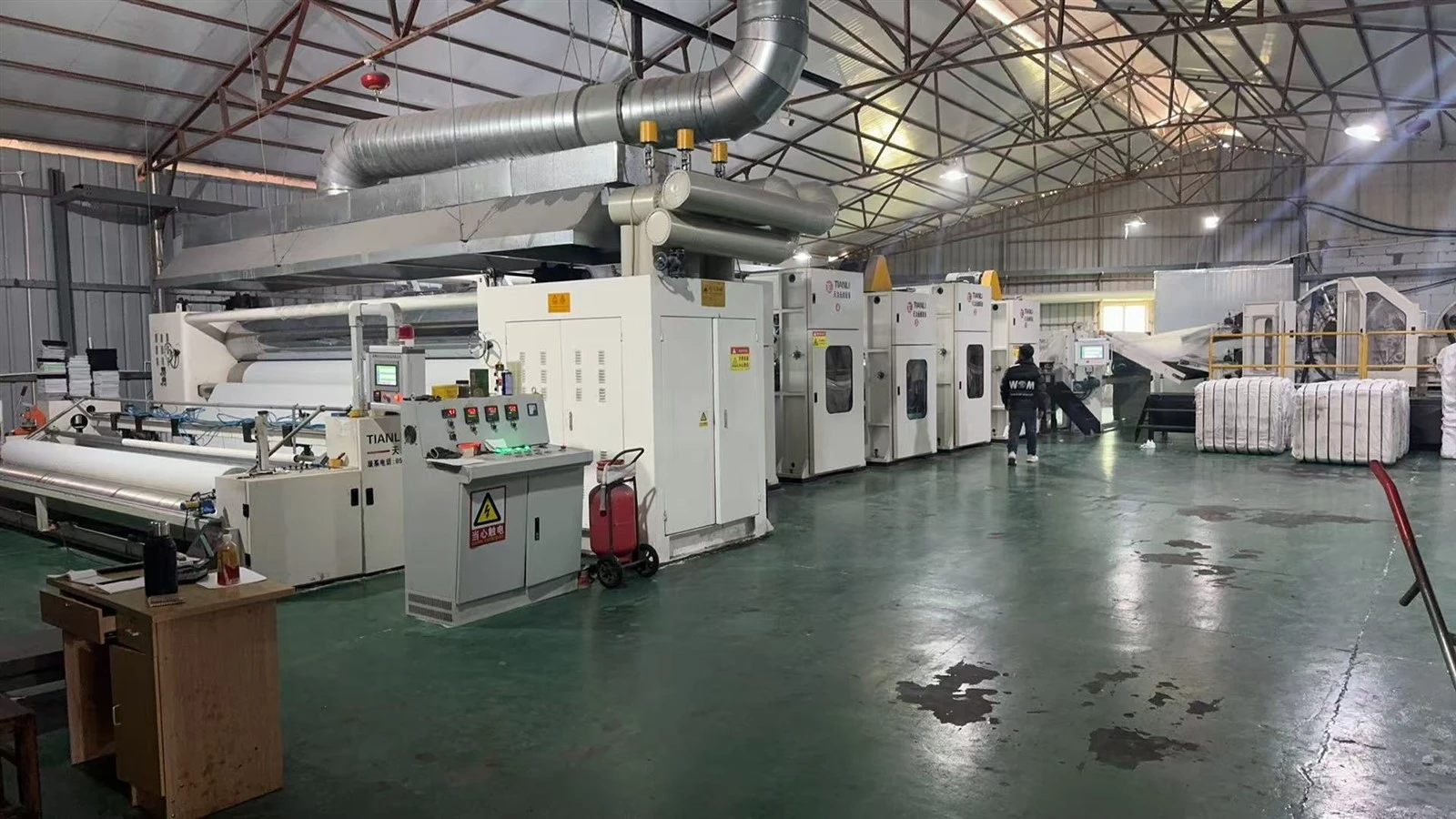
The appropriate lamination method depends on the materials being joined, the required performance, and the production process.

| Factor | Hot Melt Adhesive Lamination | Flame Bonding |
|---|---|---|
| Bonding mechanism | A thermoplastic adhesive layer bonds the film and textile under controlled heat and pressure | A compatible foam layer is briefly softened at the surface by flame and pressed against the second substrate |
| Suitable construction | TPU film with mesh or non-woven fabric, subject to adhesive compatibility | Constructions using a suitable flame-bondable foam layer |
| Main process controls | Adhesive type and coat weight, temperature, pressure, line speed, and cooling | Flame exposure, foam condition, line speed, pressure, and cooling |
| Potential advantages | Adhesive chemistry and application can be selected for the required bond and composite properties | Can produce a bonded composite without a separately applied hot-melt adhesive layer |
| Main risks | Excess adhesive may block pores, stiffen the fabric, or affect film properties | Excessive heat can damage or distort the film, foam, or textile |

2. Peel Strength Testing to Prevent Layer Separation
Peel testing helps determine whether the laminated structure can withstand the forces encountered during converting, assembly, and use. Results depend on specimen preparation, test geometry, speed, conditioning, and the materials being tested.
A practical qualification plan should define:
- Test method: Select a suitable peel-test method for the composite structure and agree on the specimen width, peel angle, and test speed.
- Acceptance criteria: Set a minimum acceptable peel strength based on the product's end use and customer specification.
- Failure mode: Record whether separation occurs at the adhesive interface, within the textile, within the foam, or through another layer.
- Sample conditioning: Test under agreed standard conditions and add heat, humidity, or aging evaluations where service conditions justify them.
- Process consistency: Sample material across representative production positions and batches according to the agreed inspection plan.
| Observed failure | Possible cause | Recommended check |
|---|---|---|
| Clean separation at the interface | Poor wetting, incompatible adhesive, or insufficient bonding conditions | Review surface compatibility, adhesive selection, and process settings |
| Adhesive remains on one side only | Uneven adhesive transfer or inadequate contact | Check coating uniformity, pressure, and substrate condition |
| Textile fibers tear during peeling | Bond may exceed the local strength of the textile | Record the failure mode and assess whether the composite meets the intended application |
| Bond weakens after conditioning | Moisture, heat, aging, or chemical compatibility issue | Compare initial and conditioned results; investigate the affected interface |
| Results vary across the roll | Uneven temperature, pressure, adhesive application, or substrate variation | Check cross-web and machine-direction process consistency |
Do not apply a universal peel-strength threshold to every laminated textile. A lightweight breathable mesh, a footwear reinforcement composite, and a protective barrier material may have different performance requirements. The acceptance limit should be agreed before production.
3. Maintaining Air Permeability and Softness After Lamination

Lead time depends on material availability, construction complexity, sample approval, process trials, and testing requirements. Custom projects should be planned in stages rather than quoted using a single assumed timeline.
| Project stage | Main activities | Factors affecting timing |
|---|---|---|
| Technical review | Confirm film, fabric, layer sequence, and performance targets | Completeness of the specification and availability of reference samples |
| Material sourcing | Secure TPU film, mesh, non-woven fabric, and adhesive if needed | Stock availability, color, width, and custom-grade requirements |
| Trial lamination | Establish process conditions and prepare samples | Material compatibility and number of process adjustments |
| Testing and approval | Check peel strength, appearance, permeability, and other specified properties | Laboratory availability and customer approval cycle |
| Bulk production | Run the approved construction and conduct quality checks | Order volume, line capacity, inspection requirements, and packaging |
For a reliable quotation, provide the required finished width, roll length, total quantity, color, layer construction, target properties, and delivery destination. Ask the supplier to separate sample-development time from bulk-production lead time and to identify which approvals must be completed before production release.
💡 Sourcing Tip for Bulk Buyers
f a q

Q1: Can TPU film be laminated directly to mesh fabric?
A1: Yes, depending on the TPU grade, mesh material, surface condition, and bonding method. Some constructions require a compatible hot-melt adhesive or other bonding layer. Trial lamination is recommended before bulk production.
Q2: Does TPU lamination always make fabric waterproof?
A2: No. Water resistance depends on the film's continuity, the bonded construction, seams, perforations, and the specified test conditions. A laminate's water resistance should be verified using the relevant test method.
Q3: How can buyers prevent delamination in bulk orders?
One-stop shoe material Factory in China
Require immediate engineering consultation or custom specification development for upcoming footwear material programs? Contact our technical sales engineering team directly at ace01@eurus-cn.com or call +86 13459576329 for 24/7 technical support, physical swatchbooks, and direct factory quotation matrices.


