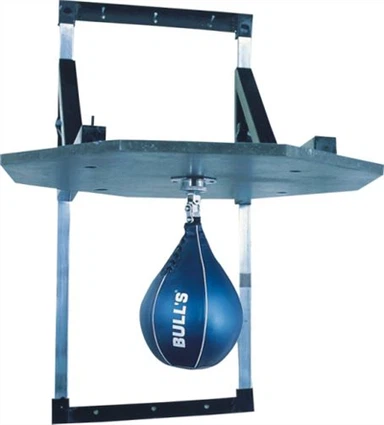


Regarding the application of leather balls
Apr 10, 2026
**Regarding the Application of Leather Balls: A Timeless Innovation in Sports and Beyond**
Leather balls have been an integral part of sports and recreation for centuries, symbolizing durability, tradition, and craftsmanship. Their application is not only limited to various sports activities but also extends to cultural and economic aspects, reflecting an enduring legacy that continues to evolve with modern advancements. This article explores the positive impact and diverse uses of leather balls, highlighting their timeless appeal and growing relevance in contemporary society.
**Historical Significance and Sporting Use**
Leather balls have a rich history, tracing back to ancient civilizations where they were crafted and used for different games. Over time, these balls became synonymous with many popular sports such as football (soccer), basketball, rugby, and baseball. The unique properties of leather-its strength, grip, and flexibility-make it an ideal material for ball manufacturing. Athletes appreciate leather balls for their superior control, balanced weight, and reliable performance, which enhance the quality of gameplay and skill development.
In today's sports industry, leather balls continue to play a pivotal role. Professional leagues and amateur clubs alike often prefer leather balls due to their consistent behavior and natural feel. This preference not only preserves the authenticity of the sport but also encourages a connection between players and the traditional roots of the game. Moreover, innovations in leather treatment and ball design have resulted in even more durable and weather-resistant products, broadening their usability across various environmental conditions.
**Cultural and Economic Impact**
Beyond sports, leather balls hold cultural significance in many communities around the world. In several regions, the making of leather balls supports local artisans and small businesses, promoting craftsmanship and heritage. This artisanal tradition fosters pride and economic growth, especially in rural areas where leatherworking skills are passed down through generations.
The production of leather balls also exemplifies sustainable practices. Many manufacturers now source leather responsibly, utilizing by-products from the leather industry and implementing environmentally friendly tanning methods. This approach not only reduces waste but also aligns with the growing consumer demand for ethically produced sports equipment.
**Expanding Applications and Innovations**
The versatility of leather balls inspires innovations that go beyond conventional sports use. For example, new designs integrate leather with synthetic materials to create hybrid balls optimized for training, therapy, and recreational activities. These developments expand access to quality sports equipment, encouraging people of all ages and abilities to engage in physical activity.
Additionally, leather balls have found their way into educational programs, where they serve as tools for teaching teamwork, coordination, and discipline. Schools and community centers utilize leather balls in various sports curricula, promoting health and wellness while nurturing social skills and sportsmanship among youth.
**Conclusion: A Bright Future for Leather Balls**
The application of leather balls continues to evolve positively, balancing tradition with innovation. Their presence in sports enhances athletic performance and preserves cultural heritage, while their production supports sustainable and ethical practices. As technology advances, the future of leather balls looks promising, offering new opportunities for recreation, education, and community development.
In celebrating the legacy and ongoing contributions of leather balls, we recognize their role in connecting people, fostering physical activity, and sustaining livelihoods worldwide. This timeless innovation remains a testament to human creativity and the enduring spirit of play.