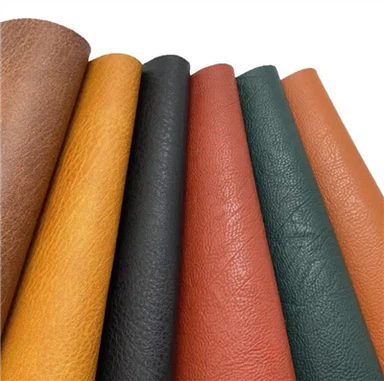


How to Choose Anti-hydrolysis Leather for Humid Climate Markets
Jun 01, 2026
Selecting the right leather for humid climate markets is crucial for manufacturers and consumers aiming for durability, aesthetics, and long-term value. Anti-hydrolysis leather stands out as an excellent choice due to its enhanced resistance to moisture-induced degradation, ensuring that products maintain their quality in challenging environments.
Firstly, understanding the impact of humidity on leather is key. High moisture levels can accelerate the hydrolysis process, causing leather to soften, discolor, or deteriorate over time. Anti-hydrolysis leather is specially treated or crafted using advanced tanning methods that prevent these issues, offering greater stability and longevity.
When choosing anti-hydrolysis leather, prioritize materials that have undergone chrome-free or low-chrome tanning combined with natural antioxidants. These treatments not only improve the leather's resilience against water and bacterial attacks but also contribute to eco-friendly manufacturing practices, aligning with sustainability goals increasingly valued in global markets.
Additionally, look for leathers tested for hydrolysis resistance through industry-standard assessments. Reliable suppliers will provide certificates or test results demonstrating the leather's ability to withstand humid conditions. This transparency ensures confidence in product performance.
Texture and finish also play a role. Leathers with tighter grain structures and protective coatings help repel moisture while maintaining breathability. These features are essential for consumer comfort and prolonged material integrity.
Incorporating anti-hydrolysis leather into products designed for humid climates can significantly reduce maintenance needs and extend product lifespan, enhancing customer satisfaction and brand reputation. By focusing on quality, treatment methods, and certifications, businesses can confidently select the best anti-hydrolysis leather, turning environmental challenges into opportunities for innovation and growth.
In summary, choosing the right anti-hydrolysis leather involves understanding moisture impacts, prioritizing advanced tanning and finishing techniques, and verifying material quality. This approach ensures success in humid climate markets with durable, attractive, and sustainable leather products.