


Enhancing Athletic Shoe Upper Durability via Multi-Layer TPU Soft Film
Aug 10, 2026

One-Stop Shoe Material Factory In China
Send your inquiry about shoe materials to Solamni and experience the transformative power it can have on your business or brand. With our premium material solutions-from high-performance outsoles to breathable uppers-you can elevate your footwear collections, captivate your target audience, and unlock new opportunities for growth and success in the competitive footwear industry.
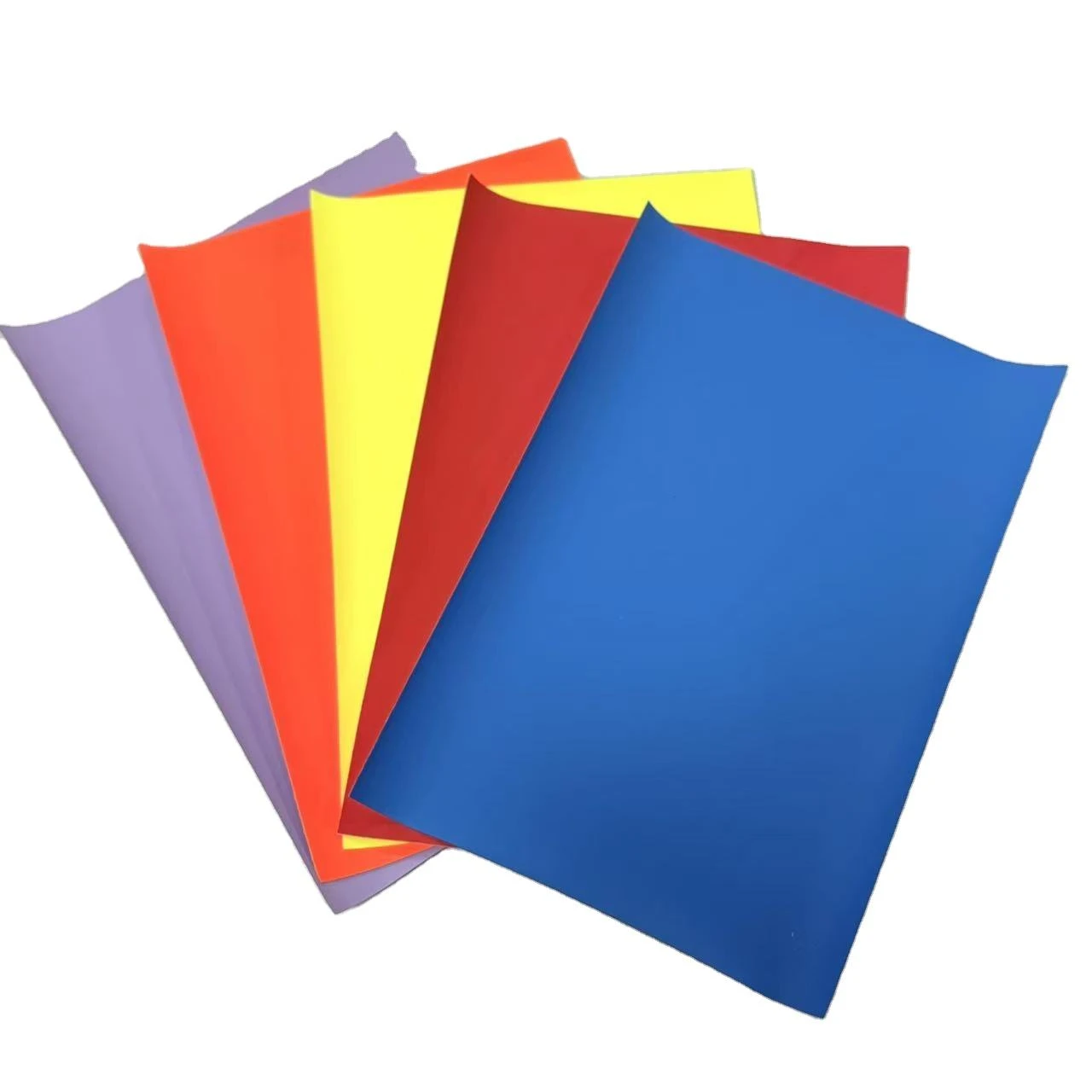
Multi-layer TPU soft film is a high-performance thermoplastic polyurethane elastomer specifically engineered to reinforce performance footwear uppers, athletic sneakers, and lightweight trail running shoes. Characterized by exceptional elongation (≥ 450%), high tensile strength, and superior abrasion resistance, this soft film provides targeted structural reinforcement across high-stress zone overlays. Sourced directly from a specialized TPU film factory, it integrates seamlessly into modern footwear manufacturing lines via heat-press lamination and high-frequency welding, delivering exceptional shoe upper durability, seamless aesthetic bonding, and long-term dynamic flex recovery.
Technical Specifications Matrix: Custom Embossed PVC Leather
Selecting the optimal TPU soft film gauge and formulation for athletic footwear requires balancing structural support against weight minimization and dynamic flexibility. The engineering parameters below outline Solamni athletic-grade TPU soft films compared to traditional synthetic leather overlays:
| Physical & Mechanical Parameter | Technical TPU Soft Film Overlay | Traditional PU Synthetic Leather | Industry Testing Standard |
|---|---|---|---|
| Film Thickness Range | 0.08 mm – 0.50 mm (± 1.0 μm) | 0.80 mm – 1.20 mm | ISO 4593 |
| Hardness Shore Rating | 80A – 95A (Customizable) | 70A – 85A | ASTM D2240 |
| Elongation at Break (MD/CD) | ≥ 450% / ≥ 400% | 150% – 250% | ASTM D882 |
| Taber Abrasion Resistance | < 20 mg loss (H-18 wheel, 1,000 cycles) | > 80 mg loss | ASTM D1044 / ISO 4649 |
| Peel Strength (Mesh Lamination) | ≥ 15 N / 2.5 cm (PUR / Heat Activated) | ≥ 8 N / 2.5 cm | ISO 2411 |
| Cold Flexing Resistance (−20°C) | > 100,000 cycles without cracking | < 30,000 cycles | ISO 5402-1 (Bally Flex) |
| Melting / Activation Range | 110°C – 140°C | Non-fusible (requires stitching) | DSC Analysis |
| Environmental Safety | Fluorine-Free (PFC-Free), REACH Compliant | Variable solvent/VOC profiles | OEKO-TEX Standard 100 |
💡 Sourcing Tip for Bulk Buyers: Designing next-generation athletic footwear, seamless running uppers, or outdoor trail sneakers? Explore our dedicated line of engineered TPU Film formulations to request technical specifications, hot-melt processing guides, and complimentary physical roll samples directly from our sales engineering team.
Core Engineering Drivers for Safety Footwear Manufacturing
1. Reinforcement Mapping: Selecting Thicknesses for Toe Caps, Eyestays, and Heel Counters
Athletic shoes experience localized mechanical stress patterns across different regions of the upper during directional pivots and rapid acceleration. Rather than applying uniform heavy material across the entire upper, footwear engineers utilize TPU soft film overlay mapping:
- Toe Caps (0.30 mm – 0.50 mm): Heavy gauge film absorbs direct trail impact, scuffs, and rock strikes, protecting vulnerable front knit/mesh fabrics.
- Eyestays & Lacing Zones (0.20 mm – 0.35 mm): Medium gauge TPU distributes high lace-tension loads evenly across the upper without tearing needle holes or stretching out of shape.
- Heel Counters & Lateral Quarter Overlays (0.15 mm – 0.25 mm): Lightweight films deliver lateral torsional stability and heel-lock support while maintaining minimal weight overhead.
2. Cross-Lamination with Breathable Meshes and Textile Bases
Integrating TPU soft film directly onto open-structure jacquard meshes, engineered knits, and non-woven textiles eliminates traditional heavy stitching lines and bulky liquid glue layers. Solamni multi-layer TPU films feature a dual-layer structure: a high-durometer surface layer (90A – 95A) for scratch resistance, paired with an integrated low-melt TPU adhesive backing layer (80°C – 100°C). During hot-pressing, the adhesive layer flows into the pores of the mesh base, forming a deep mechanical lock that maintains breathable mesh zones while reinforcing localized flex points.
3. Scratch, Scuff, and Impact Resistance Testing
During active athletic use, shoe uppers suffer aggressive surface abrasion from gravel, turf, and repeated foot-to-foot contact. Solamni footwear-grade TPU soft film utilizes aromatic or polyether polymer backbones with tight inter-chain molecular cross-linking. On Taber abrasion testing (H-18 abrasive wheel under 1 kg load), the film exhibits negligible mass loss (< 20 mg per 1,000 cycles). The elastomer matrix absorbs and deflects sharp kinetic impacts, preventing surface scuffing or underlying textile tearing.
4. Heat-Press Parameters to Eliminate Edge Peeling
Edge peeling and flag-off along film margins during shoe lasting or wear cycles are primary defect risks in seamless shoe production. Achieving a permanent bond without scorching the mesh or crushing decorative textures requires precise heat-press calibration:
- Temperature Profile: Set top heat platen between 130°C and 150°C (ensuring glue layer reaches 110°C activation temperature) for 12 to 18 seconds.
- Line Pressure: Apply uniform pneumatic pressure between 3.0 bar and 4.5 bar to force the molten adhesive layer into the underlying textile fibers.
- Cooling Station: Transition immediately to a cold-press station (15°C – 20°C under 4.0 bar pressure for 10 seconds) to set the polymer crystallization matrix, preventing post-press shrinkage and edge lifting.

Solamni Laboratory Quality Control & Testing Standards
To ensure zero defect rates and seamless integration across automated footwear production lines, every production run of Solamni TPU soft film is tested in our internal quality control facility:
- Hot-Melt Bond Strength Testing (ASTM D903): Laminated upper specimens are subjected to 180° peel testing to ensure seam bond strength exceeds ≥ 15 N/2.5 cm on technical jacquard meshes.
- Dynamic Bally Flexing (ISO 5402-1): Film samples laminated onto upper textiles undergo over 100,000 continuous flex cycles at room temperature and 30,000 cycles at sub-zero temperatures (−20°C) to verify zero surface cracking or bond separation.
- Automated Thickness Uniformity Profiling: Dual-laser gauge sensors monitor continuous roll width (1.37 m – 1.50 m), enforcing ultra-strict gauge tolerances within ± 1.0 μm to guarantee consistent heat activation times.
- Color Migration & UV Yellowing Resistance (ISO 105-B02): Colored and clear TPU soft films undergo accelerated Xenon-arc light testing to ensure non-yellowing performance (Grade 4-5 on the gray scale) on white footwear uppers.
🛠️ Factory Assistance for Footwear Developers:
Need custom film durometers, specialized matte/gloss surface finishes, or precise slit-roll widths for automated roll-to-roll heat bonding? Our engineering team provides fluent English support, custom lab color matching, and full physical data sheets within 5 to 7 working days. Contact Sales Engineering to request your free master TPU soft film swatch kit today.
FAQ

Q1: What is Solamni's standard Minimum Order Quantity (MOQ) and lead time for athletic TPU soft film?
Q2: Is Solamni TPU soft film suitable for high-frequency (HF) welding on synthetic upper materials?
Q3: Are Solamni athletic TPU soft films environmentally eco-friendly and PFC-free?
One-stop shoe material Factory in China
Require immediate engineering consultation or custom specification development for upcoming footwear material programs? Contact our technical sales engineering team directly at ace01@eurus-cn.com or call +86 13459576329 for 24/7 technical support, physical swatchbooks, and direct factory quotation matrices.


