


Developing Custom Embossing Rollers for Proprietary Brand Leather Textures
Oct 09, 2026

One-Stop Shoe Material Factory In China
Send your inquiry about shoe materials to Solamni and experience the transformative power it can have on your business or brand. With our premium material solutions-from high-performance outsoles to breathable uppers-you can elevate your footwear collections, captivate your target audience, and unlock new opportunities for growth and success in the competitive footwear industry.

Meta Description
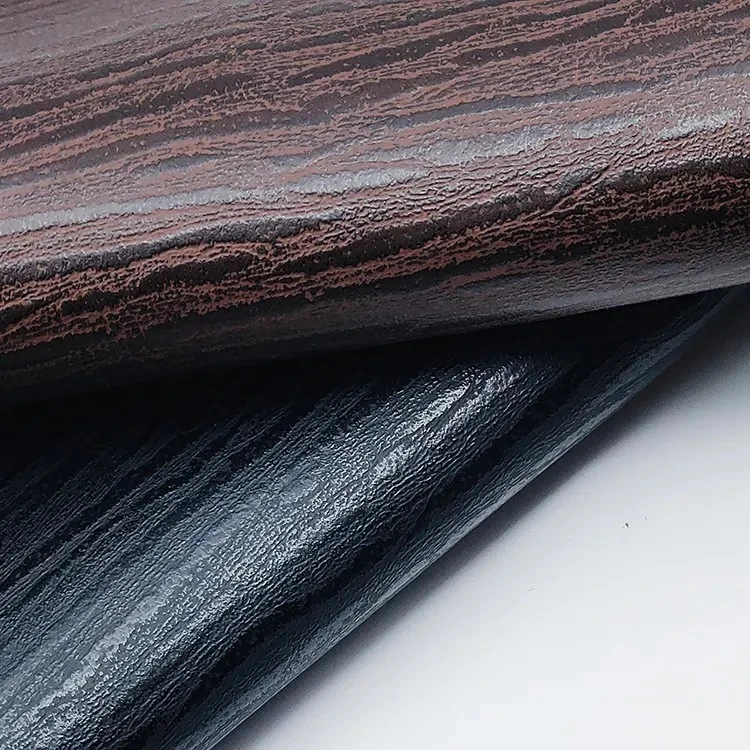
Custom leather embossing rollers allow synthetic leather manufacturers to reproduce brand-specific grain patterns, geometric textures, and surface finishes at production scale. For OEM projects, tooling selection should account for pattern accuracy, substrate type, production volume, roller life, and intellectual property protection.

3D Laser Engraving for Steel Embossing Rollers
-
Pattern source: Vector artwork, CAD files, 3D texture data, or an approved physical sample.
-
Pattern dimensions: Repeat length, width, depth, and orientation.
-
Roller specifications: Working width, diameter, substrate, and machine compatibility.
-
Embossing conditions: Processing temperature, pressure, line speed, and synthetic leather construction.
-
Acceptance criteria: Pattern definition, repeat alignment, and permitted variation between samples.
-
Pattern definition: Establish the target texture using artwork, a reference sample, or a digital model.
-
Tooling development: Select the roller material and engraving method according to the required detail and production conditions.
-
Sample embossing: Test the pattern on the intended PU, PVC, or other compatible synthetic leather construction.
-
Approval and production: Confirm appearance, repeat consistency, and process settings before the production run.
Amortizing Tooling Costs Across Production Runs
Custom embossing rollers introduce an upfront tooling cost. The cost per unit generally decreases as accepted production volume increases, provided the tooling remains suitable for the required quality and service life.
A basic calculation is:
Tooling cost per unit = Total tooling cost ÷ Total accepted units produced
For example, if a project incurs US$6,000 in tooling costs and produces 60,000 accepted units, the allocated tooling cost is US$0.10 per unit. This excludes material, processing, maintenance, scrap, and other manufacturing costs.
| Production factor | Question for the buyer |
|---|---|
| Initial order volume | How many units are required for the first run? |
| Forecast volume | What is the expected annual demand? |
| Tooling life | What service life can the supplier support under the intended process? |
| Pattern revisions | Will changes require new tooling or additional engraving? |
| Ownership terms | Who owns the roller, and who pays for storage and maintenance? |
For low-volume launches, buyers can compare custom tooling with available standard patterns. For long-running programs, a proprietary roller may provide greater design control and repeatability. The decision should be based on forecast volume, texture requirements, and total project cost.
Intellectual Property Protection for Proprietary Textures
A custom texture may be a commercially sensitive brand asset. IP protection should therefore be addressed before artwork or physical samples are transferred to a supplier.
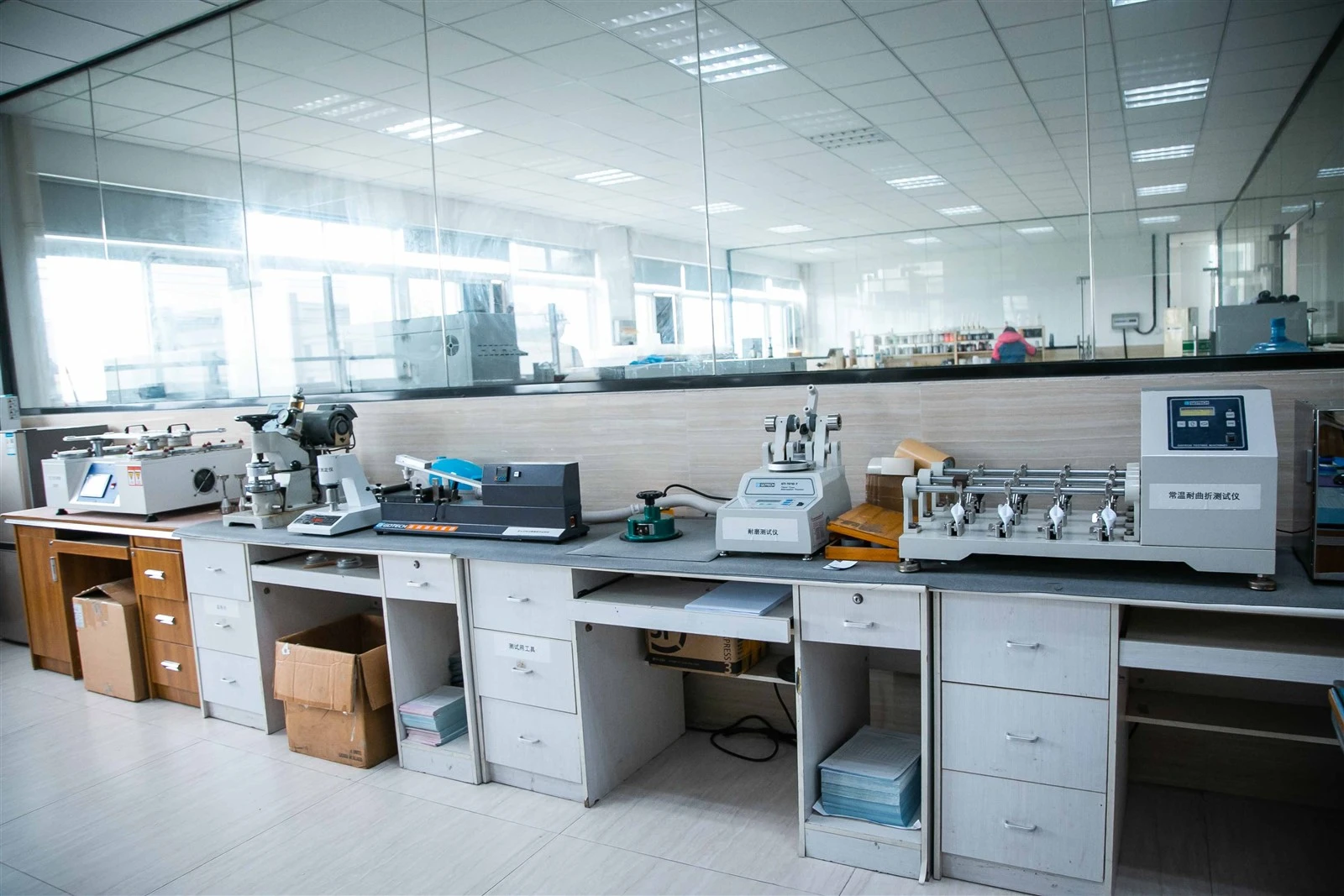
Recommended controls include:
- Written confidentiality terms: Define how artwork, samples, and technical files may be used.
- Ownership clauses: Specify ownership of the design, tooling, and any commissioned modifications.
- Restricted production: Document whether the pattern may be used only for the commissioning customer.
- Access controls: Limit access to design files and production samples to authorized personnel.
- Tooling disposition: Agree on storage, return, transfer, or destruction procedures when the project ends.
Confidentiality agreements alone may not resolve every ownership or enforcement issue. Buyers should have the contract reviewed for the relevant jurisdictions and specify the permitted use of both digital artwork and physical tooling.
Custom OEM Embossing: What Buyers Should Prepare
💡 Sourcing Tip for Bulk Buyers
f a q

Q1: Can a custom embossing roller reproduce a brand's exact leather grain?
A1: It can be developed to reproduce a specified pattern, but the final appearance depends on tooling accuracy and processing conditions. Approval should be based on samples embossed using the intended material construction.
Q2: How should buyers evaluate the cost of custom embossing tooling?
A2: Compare the initial tooling charge, forecast production volume, expected tooling life, maintenance, sample development, and possible revision costs. Calculate the tooling allocation per accepted unit using realistic volume forecasts.
Q3: How can brands protect proprietary leather textures?
One-stop shoe material Factory in China
Require immediate engineering consultation or custom specification development for upcoming footwear material programs? Contact our technical sales engineering team directly at ace01@eurus-cn.com or call +86 13459576329 for 24/7 technical support, physical swatchbooks, and direct factory quotation matrices.


