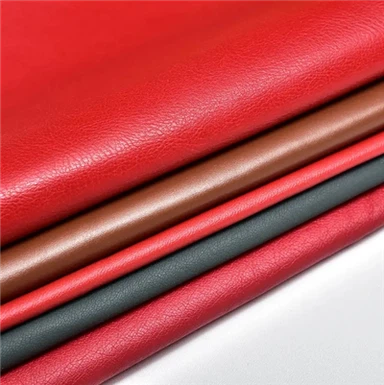


Difference Between Leather And Pu Leather
Both leather and PU leather have their advantages and disadvantages. It is important to consider your budget, environmental impact, and maintenance requirements before making a decision. Whether you choose leather or PU leather, both materials can make a beautiful and functional bag or accessory that you can enjoy for years to come.
- Fast Delievery
- Quality Assurance
- 24/7 Customer Service
Product Introduction
When it comes to buying a new bag or purse, one of the most important decisions to make is the type of material to choose. Two popular materials are leather and PU leather, but what is the difference between these two materials?
Leather is a natural material that comes from animal hides. It has a unique texture and appearance and ages gracefully, making it a popular choice for high-end bags and accessories. Leather is durable, breathable, and has a natural resistance to water and stains. Additionally, leather is a sustainable option as it is a byproduct of the meat industry.
On the other hand, PU leather is a synthetic material made from polymer fibers that are coated with a layer of polyurethane. This coating gives the material a leather-like appearance, but it is not as durable or long-lasting as real leather. PU leather is lightweight, affordable, and easy to maintain, making it a popular choice for those who want the look of leather without the cost.
One of the main differences between leather and PU leather is the quality. Leather has a higher quality than PU leather because it is a natural material that goes through a tanning process, which adds to its durability and longevity. PU leather is a man-made material that is often thin and wears out easily.
Another significant difference is the cost. Leather is generally more expensive than PU leather due to its high quality and durability. However, leather goods can be seen as an investment as they age gracefully and last a lifetime. PU leather, on the other hand, is generally considered to be a more affordable option.
When it comes to the environment, leather is a sustainable choice as it is a byproduct of the meat industry. However, the tanning process can be harmful to the environment if not done correctly. PU leather, on the other hand, is a petroleum-based product and is not biodegradable. However, advances in technology are making it possible to recycle PU leather into new products.
In terms of maintenance, leather requires more care than PU leather. Leather should be cleaned and conditioned regularly to maintain its appearance and durability. PU leather only requires a simple wipe down with a damp cloth to keep it clean.
Ultimately, the choice between leather and PU leather comes down to personal preference and budget. Leather is a high-quality, sustainable material that ages gracefully, but it comes with a higher price tag. PU leather is an affordable option that provides a leather-like look without the cost, but it is not as durable or long-lasting as real leather.
In conclusion, both leather and PU leather have their advantages and disadvantages. It is important to consider your budget, environmental impact, and maintenance requirements before making a decision. Whether you choose leather or PU leather, both materials can make a beautiful and functional bag or accessory that you can enjoy for years to come.
Quick Seller
Alta calidad alta eficiencia orden seguro


FAQ
Q: What is leather?
A: Leather is a natural material made from the skin of animals, such as cows, sheep, or goats. It's durable, breathable, and has a unique texture.
Q: What is PU leather?
A: PU leather, also known as synthetic leather or faux leather, is a type of plastic material made to look like real leather. It's cheaper, easier to clean, and versatile in terms of color and design.
Q: What are the main differences between leather and PU leather?
A: The main differences are:
- Leather is a natural material, while PU leather is a synthetic material.
- Leather is more durable and breathable, while PU leather is easier to clean and less expensive.
- Leather has a unique texture and variations, while PU leather can be made to look uniform in color and texture.
- Leather is more expensive than PU leather, but tends to last longer and age better with time.
Q: Which one is better, leather or PU leather?
A: It depends on your needs and preferences. If you value authenticity, durability, and the natural feel and texture of leather, then leather is the better choice. However, if you're on a budget, prefer easy maintenance, and want a wider range of colors and designs, then PU leather may be the better option.

why choose our products
There are many variations of passages of available but the majority have suffered alteration in some form, by injected humou or randomised words even slightly believable. All of our products are formaldehyde free environmental protection,provide the most healthy home for you.
There are many variations of passages of available but the majority have suffered alteration in some form, by injected humou or randomised words even slightly believable. All of our products are formaldehyde free environmental protection,provide the most healthy home for you.
 warehousefactory scale

product advantages
Lorem ipsum dolor sit amet consectetur adipisicing elit.
wide application of technology
A senior manufacturing enterprise with professional design, R&D and manufacturing teams.
large enterprise scale
Efficient and precise processing and testing equipment.
High-Quality Customized Services
No intermediate links, providing one-stop service from design, processing, mold trial to mass production.
Standardized Production
Passed ISO9001 certification and obtained relevant patent certificates.
we are here for you
Lorem ipsum dolor sit amet consectetur adipisicing elit.
Hot Tags: difference between leather and pu leather, China difference between leather and pu leather manufacturers, suppliers, factory